Print
Print
Print
Print
 |
| 3 | ||
 | ||
| CIVIC Awareness topics
| ||
| 4 | ||||||||
| | ||||||||
| 1 |  CIVIC Awareness topics / C.A1 Right to learn CIVIC Awareness topics / C.A1 Right to learn | |||||||
A1 My right to learn
| ||||||||
| 5 | ||||||||
| | ||||||||
| 2 |  CIVIC Awareness topics / C.A2 My Right to play CIVIC Awareness topics / C.A2 My Right to play | |||||||
A2 My right to play 1: Read each statement about the right to play and decide if it is true or false. Circle the correct answer.
2: Think about how you play with others. Write down three rules that everyone should follow to make sure playtime is fair and fun for everyone.
3: Think about your favourite games or activities. Draw a picture of yourself playing your favourite game. Underneath your drawing, write a few sentences about why you love this game and how it makes you feel. | ||||||||
| 6 | ||||||||
| | ||||||||
| 3 |  CIVIC Awareness topics / C.A3: The right to freedom of expression CIVIC Awareness topics / C.A3: The right to freedom of expression | |||||||
1. Think about the following questions and share your answers within the group:
2. Watch the animation and discuss:
3.You will be assigned to a group and have to complete the corresponding task as a team. Group 1: Express the feelings using only body language: joy, then disappointment. Group 2: Use elements from a "Lego" constructor to present your ecological idea - a call to "Save the Earth". Group 3: Imagine that you were given the opportunity to run the school for one day and speak in front of all the students. What would you say? | ||||||||
| 7 | ||||||||
| | ||||||||
| 4 |  CIVIC Awareness topics / C.A4: The right to privacy and protection from unlawful attacks on your honour and reputation CIVIC Awareness topics / C.A4: The right to privacy and protection from unlawful attacks on your honour and reputation | |||||||
| ||||||||
| 8 | |||||||||||||||||||||||||||||||||||||||||||
| | |||||||||||||||||||||||||||||||||||||||||||
| 5 |  CIVIC Awareness topics / C.A5 My right to education CIVIC Awareness topics / C.A5 My right to education | ||||||||||||||||||||||||||||||||||||||||||
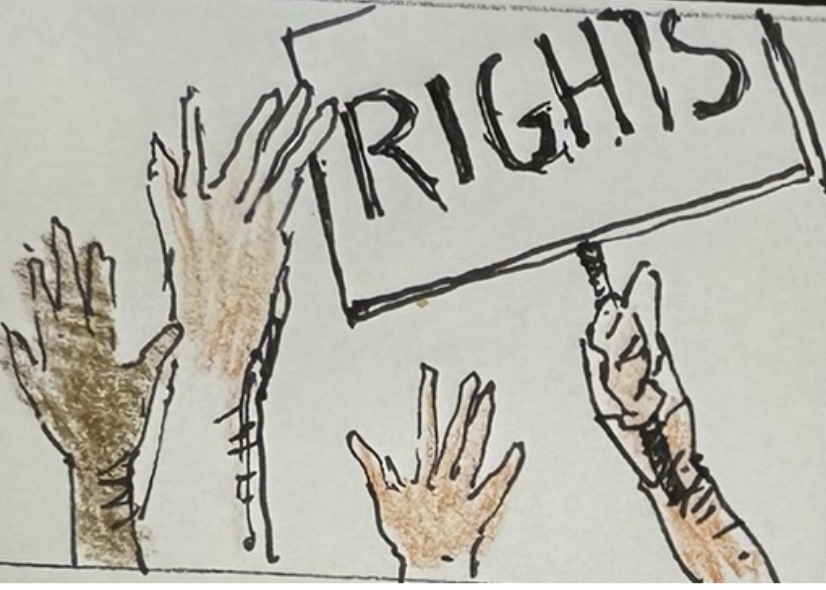
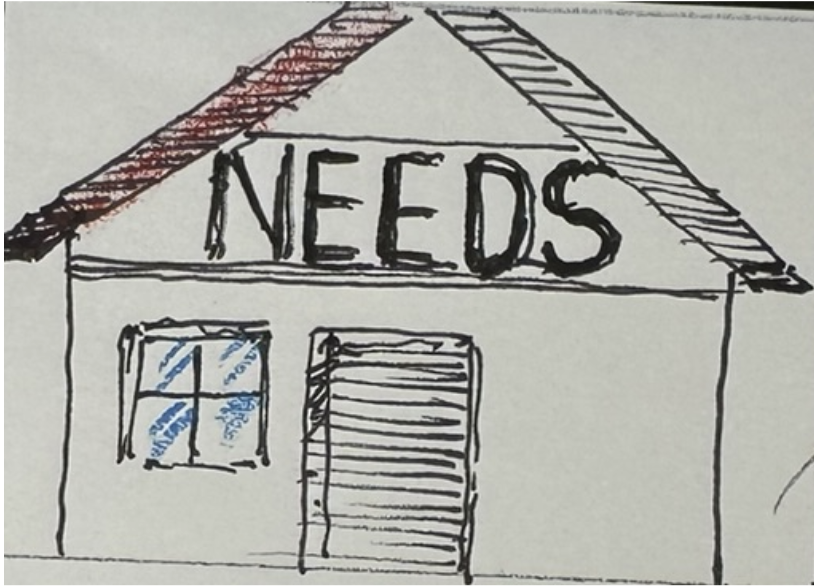
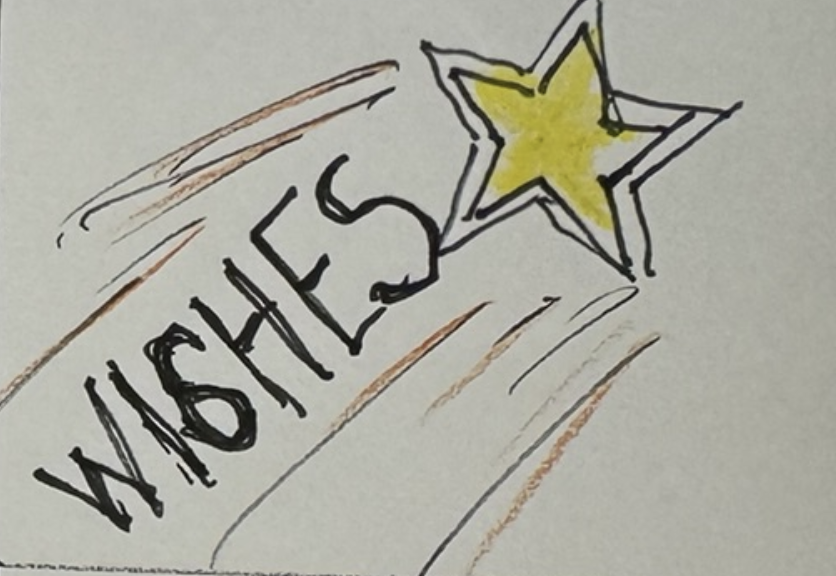
Use this template to write down some rights, needs and wishes.
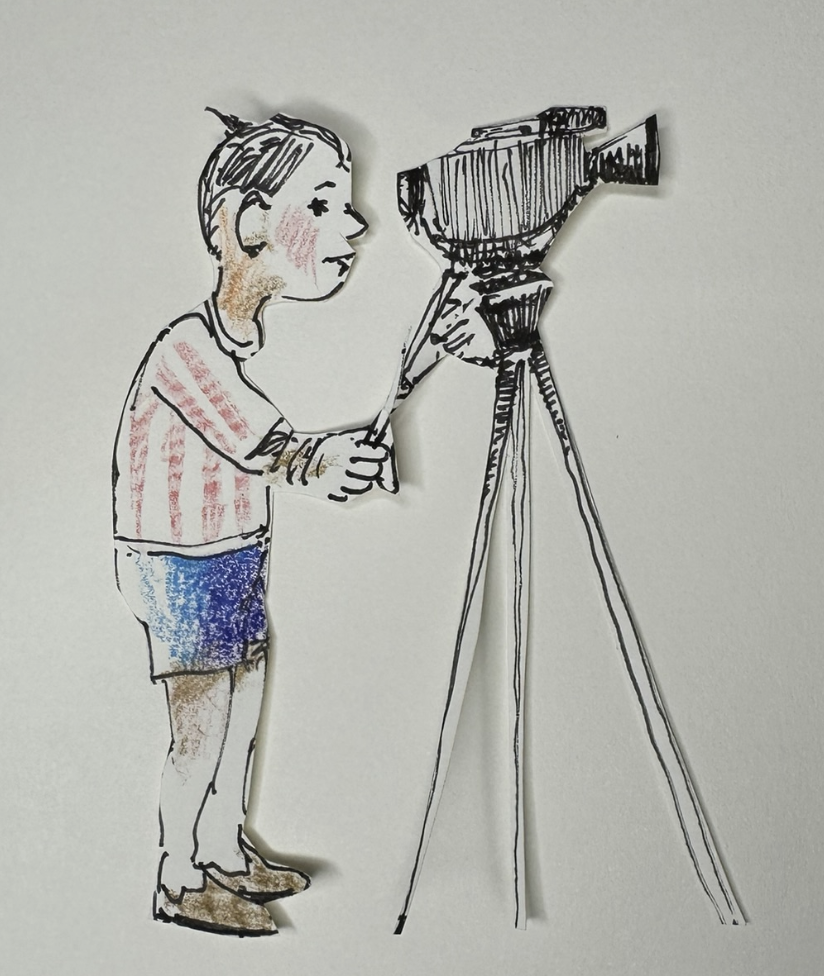
Instructions for the short film. Remember you only have 20 minutes for this task.
| |||||||||||||||||||||||||||||||||||||||||||
| 9 | |||||||||||||||||||||||||
| | |||||||||||||||||||||||||
| 6 |  CIVIC Awareness topics / C.A6 The Right to privacy CIVIC Awareness topics / C.A6 The Right to privacy | ||||||||||||||||||||||||
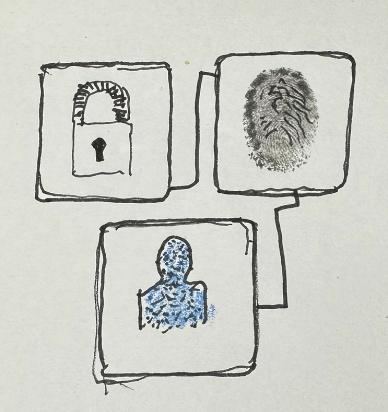
Write in the blank cases what you think is personal data
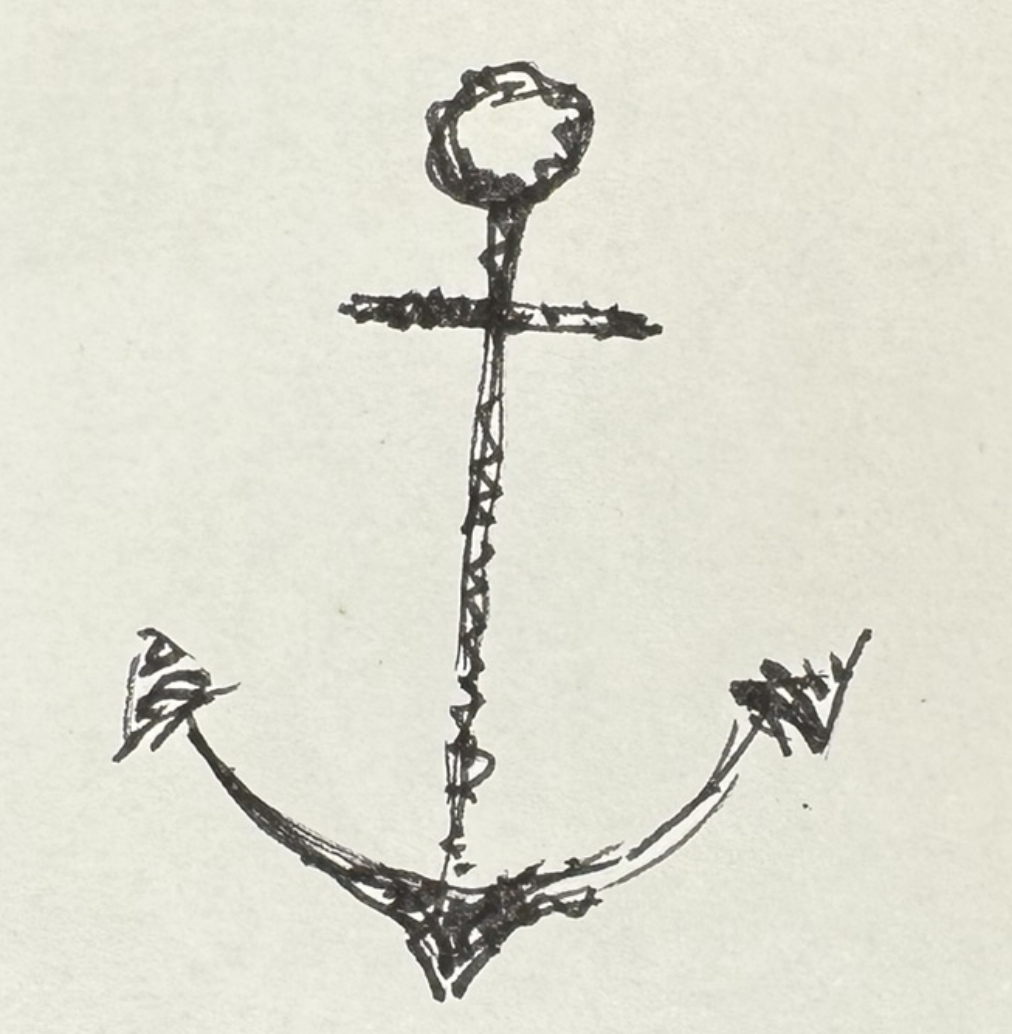
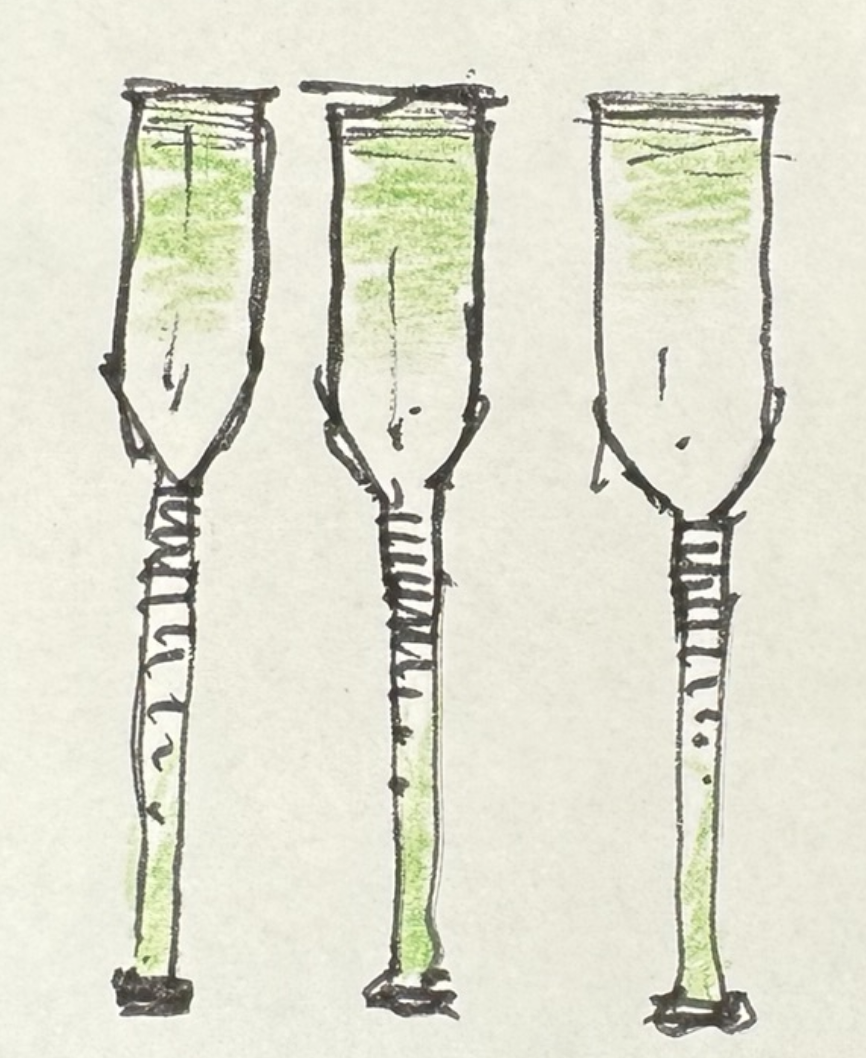
For the evaluation, use these papers to write down one positive aspect of the activity (anchor) and one less positive aspect that could be improved (oars).
| |||||||||||||||||||||||||
| 10 | ||||||||
| | ||||||||
| 7 |  CIVIC Awareness topics / C.B1 Rights and obligations. Limitations to our rights. CIVIC Awareness topics / C.B1 Rights and obligations. Limitations to our rights. | |||||||
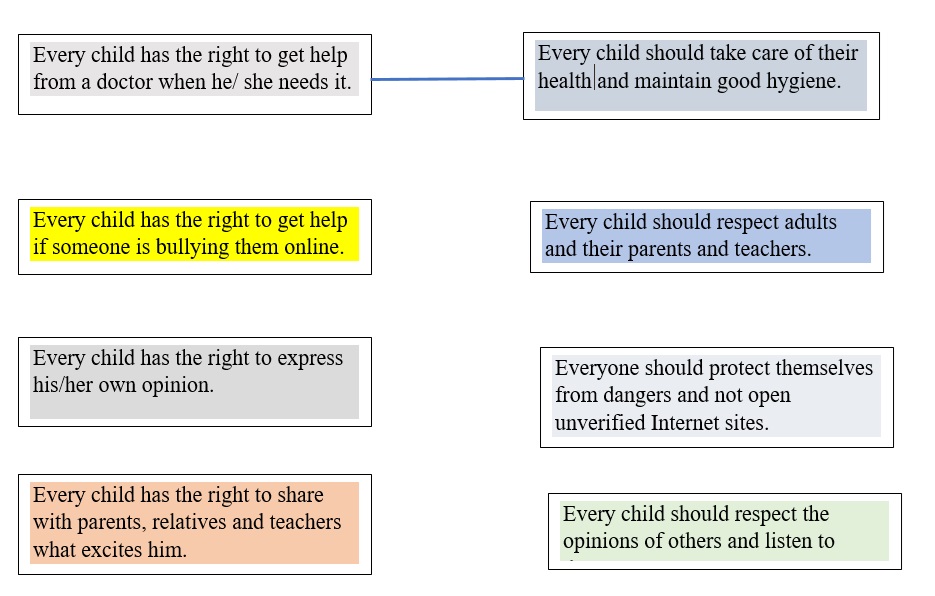
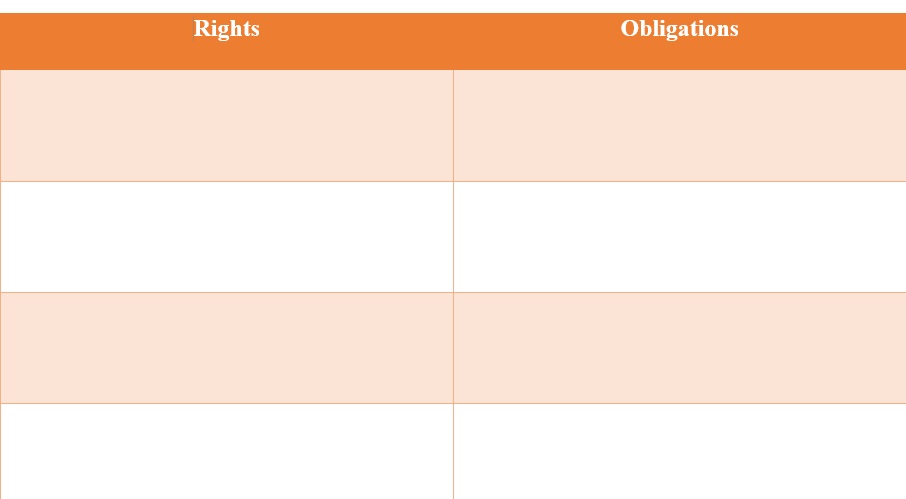
2. Write what rights and what obligations you have at home in the empty spaces in the table.
| ||||||||
| 11 | |||||||||||||||||||||||||||||
| | |||||||||||||||||||||||||||||
| 8 |  CIVIC Awareness topics / C.B2 The Rights of disabled children CIVIC Awareness topics / C.B2 The Rights of disabled children | ||||||||||||||||||||||||||||
Use this template to write down what colours you could make with food waste and natural materials
| |||||||||||||||||||||||||||||
| 12 | ||||||||
| | ||||||||
| 9 |  CIVIC Awareness topics / C.C1 Kindness Rocks CIVIC Awareness topics / C.C1 Kindness Rocks | |||||||
1.Think about the following questions and share your answers within the group:
2.Listen to the story and discuss
| ||||||||
| 13 | ||||||||
| | ||||||||
| 10 |  CIVIC Awareness topics / C.C2 Projects implemented by students CIVIC Awareness topics / C.C2 Projects implemented by students | |||||||
|
Task 1 Briefly describe any problems or challenges you encountered while playing your own board game! Task 2 Walk around the class and try out other group-created games. Try to write down any suggestions or improvements for your classmates! Task 3 Read the improvements and suggestions, what your classmates left for you! Highlight (using coloured markers) the suggestions from other groups that you want to consider implementing to improve your game. Task 4 Brainstorm and write down ideas for how you can promote and use your board game in a meaningful way within the school or community: ……………………………………………………………………………….……………………………………..……………………………………………………………………………….…………………………………….........……………………………………………………………………………….…………………………………….....
| ||||||||
| 14 | ||||||||||||||
| | ||||||||||||||
| 11 |  CIVIC Awareness topics / C.C3 Family/school/environment as a whole CIVIC Awareness topics / C.C3 Family/school/environment as a whole | |||||||||||||
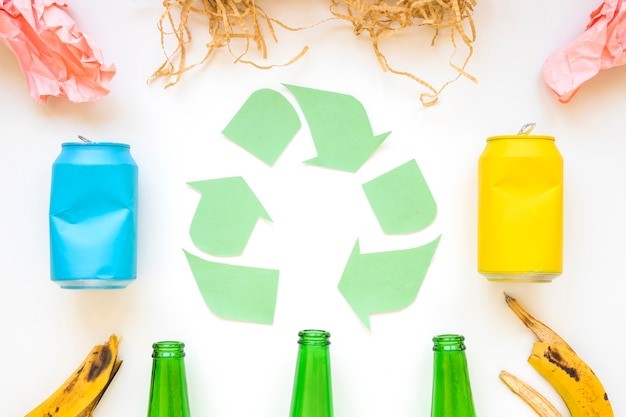
Eco-Friendly Cards and Seed Planting: how an eco-friendly gift can benefit family and school Task 1 We all know what recycling is! Let's figure out in which container you are going to put each of the pieces of waste! Tag the names of the bins in the picture to the left! Look at the picture on the right. Circle and match the items that can be recycled with the correct bin!
Task 2 We'll see some pictures of gifts on the board. Use your thumbs to vote! Thumbs-up for an eco-friendly gift, thumbs-down for an eco-unfriendly gift! You can add your examples.
Task 3 Today, we'll make special cards from recycled paper. We'll even add seeds to make them plantable gifts! Here you can see the video: https://www.youtube.com/watch?v=woz5_EbeTdY Task 4 Join the quiz!
Task 5 Think about the benefits of your plantable card. Write them down in these categories:
| ||||||||||||||
| 15 | ||||||||||||||
| | ||||||||||||||
| 12 | ||||||||||||||
Task 1 In pairs, randomly draw one picture from the cards provided. Write a short description of what you see in the picture. Be ready to read it out loud! …………………………………………………………………………………………………………………………. …………………………………………………………………………………………………………………………. …………………………………………………………………………………………………………………………. Task 2 You have to choose one of the problems on the board! Finish the given sentences with your answers! Our chosen problem is …………………………………………………………………………………………….. We chose this problem because………………………………………………………………………………….. ………………………………………………………………………………………………………………………. We have seen it (where) ………………………………………………………..……………………………………………………………… ………………………………………………………………………………………………………………………. Task 3 Together with your group members discuss possible ways to solve the situation! Come up with at least one idea for each! Write the solutions in the table, under each!
Task 4 Imagine if all of the solutions were becoming true. How would the school and the surroundings change? You will have to create a collage that shows your chosen place before the change and after! Before you start creating a collage, draw a plan of your collage with visual details.
Task 5 When you have finished your collage, prepare for the presentation. Each group have to come up with a short story. To prepare for the presentation, use the table with questions! | ||||||||||||||
| 16 | ||||||||
| | ||||||||
| 13 |  CIVIC Awareness topics / C.C5 How to build cooperation outside of school. CIVIC Awareness topics / C.C5 How to build cooperation outside of school. | |||||||
Task 1 Read the following description of the play! Discuss the questions given by the teacher during the reading! Play “Forest fighters” Characters Main Characters
Supporting Characters
Scenario Ideas Act 1: A Walk in the Woods
Act 2: Taking Action
Act 3: United We Stand
Conclusion
| ||||||||
| 17 | ||||||||
| | ||||||||
| 14 |  CIVIC Awareness topics / C.C6 Why change is important for me? CIVIC Awareness topics / C.C6 Why change is important for me? | |||||||
Task 1 Check out all the pictures of the outdoor classroom! Choose one of the outdoor classrooms shown in the picture, which would be the most suitable for our school environment! Why did you choose it? Write the reason under the chosen picture! 1. 2. 3.
Task 2 Look carefully at the selected picture and write 3 suggestions that could be changed or improved in the outdoor classroom shown in the picture. 1.________________________________________________________________________________________________________________________________________________________________________ 2.________________________________________________________________________________________________________________________________________________________________________ 3.________________________________________________________________________________________________________________________________________________________________________ Task 3 Based on your suggestions, draw a sketch of your ideal outdoor classroom. Indicate in the sketch: What elements and furniture will be used for furnishing? What materials could the elements be made of? What can we draw/count/describe/observe there? How to protect yourself from adverse weather conditions (sun, wind, rain, etc.)? | ||||||||
| 18 | |||||||||
| | |||||||||
| 15 |  CIVIC Awareness topics / C.D1 My unique me: Celebrating what makes me special CIVIC Awareness topics / C.D1 My unique me: Celebrating what makes me special | ||||||||
D1 My Unique Me
| |||||||||
| 19 | ||||||||
| | ||||||||
| 16 |  CIVIC Awareness topics / C.D2 My Identity CIVIC Awareness topics / C.D2 My Identity | |||||||
2. Surely you all know the stories of Winnie the Pooh and his friends. Read an excerpt of a conversation between Winnie the Pooh and Piglet and think, does Piglet do well in this situation? If you were Piglet, would you demand to know why Pooh had a rough day? Do our best friends have the right not to tell us everything and to react in their own way? "Today was a Difficult Day," said Pooh. There was a pause. "Do you want to talk about it?" asked Piglet. "No," said Pooh after a bit. "No, I don't think I do." "That's okay," said Piglet, and he came and sat beside his friend. "What are you doing?" asked Pooh. "Nothing, really," said Piglet. "Only, I know what Difficult Days are like. I quite often don't feel like talking about it on my Difficult Days either. "But goodness," continued Piglet, "Difficult Days are so much easier when you know you've got someone there for you. And I'll always be here for you, Pooh." And as Pooh sat there, working through in his head his Difficult Day, while the solid, reliable Piglet sat next to him quietly, swinging his little legs...he thought that his best friend had never been more right." A.A. Milne | ||||||||
| 20 | ||||||||
| | ||||||||
| 17 |  CIVIC Awareness topics / C.E1 Our colorful classroom: Embracing diversity in friendship CIVIC Awareness topics / C.E1 Our colorful classroom: Embracing diversity in friendship | |||||||
E1 Our colourful classroom
1. ____________________________________________________________________________
| ||||||||
| 21 | ||||||||
| | ||||||||
| 18 |  CIVIC Awareness topics / C.E2 My dream class CIVIC Awareness topics / C.E2 My dream class | |||||||
2. Write a short essay about the class of your dreams. Describe how you imagine your favorite classroom, what you want it to be like, what the relationship between students and teachers should be like.
| ||||||||
| 22 | ||||||||||||||||||
| | ||||||||||||||||||
| 19 |  CIVIC Awareness topics / C.E3 Body diversity CIVIC Awareness topics / C.E3 Body diversity | |||||||||||||||||
Use this template to comment the images you found in the magazines you’ve consulted
| ||||||||||||||||||
| 23 | ||||||||
| | ||||||||
| 20 |  CIVIC Awareness topics / C.E4 Religious diversity CIVIC Awareness topics / C.E4 Religious diversity | |||||||
Use this calendar to choose a celebration for making your comics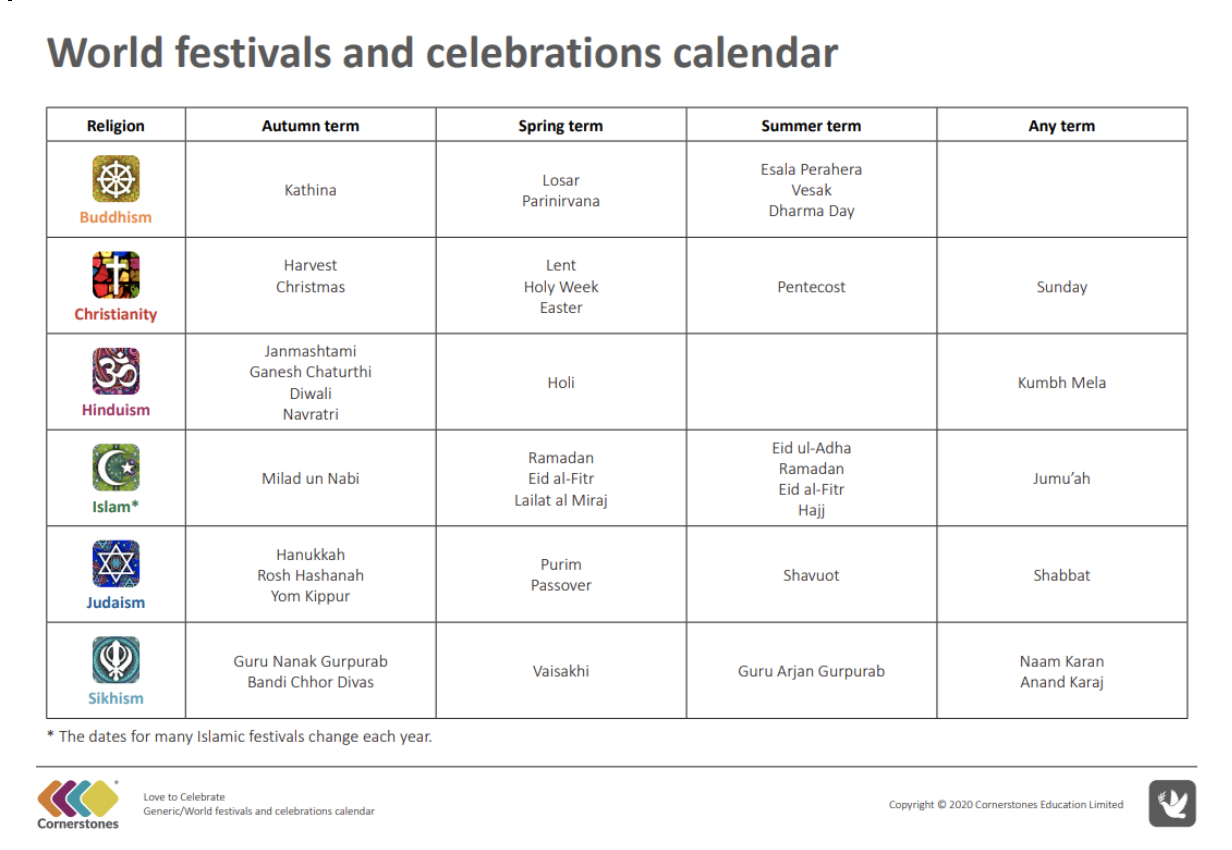 | ||||||||
| 24 | ||
| | ||
| ECO Awareness topics
| ||
| 25 | ||||||||||||||||||||||||||||||||||||||||||||||||||||||||||||||||||||||||||||||||||||
| | ||||||||||||||||||||||||||||||||||||||||||||||||||||||||||||||||||||||||||||||||||||
| 1 |  ECO Awareness topics / E.A1 Exploring biodiversity in nature: biocube ECO Awareness topics / E.A1 Exploring biodiversity in nature: biocube | |||||||||||||||||||||||||||||||||||||||||||||||||||||||||||||||||||||||||||||||||||
Worksheet 1 | Biocube description
Worksheet 2 | Actions to protect biodiversity
| ||||||||||||||||||||||||||||||||||||||||||||||||||||||||||||||||||||||||||||||||||||
| 26 | |||||||||||||||||||||||||||||||||
| | |||||||||||||||||||||||||||||||||
| 2 | 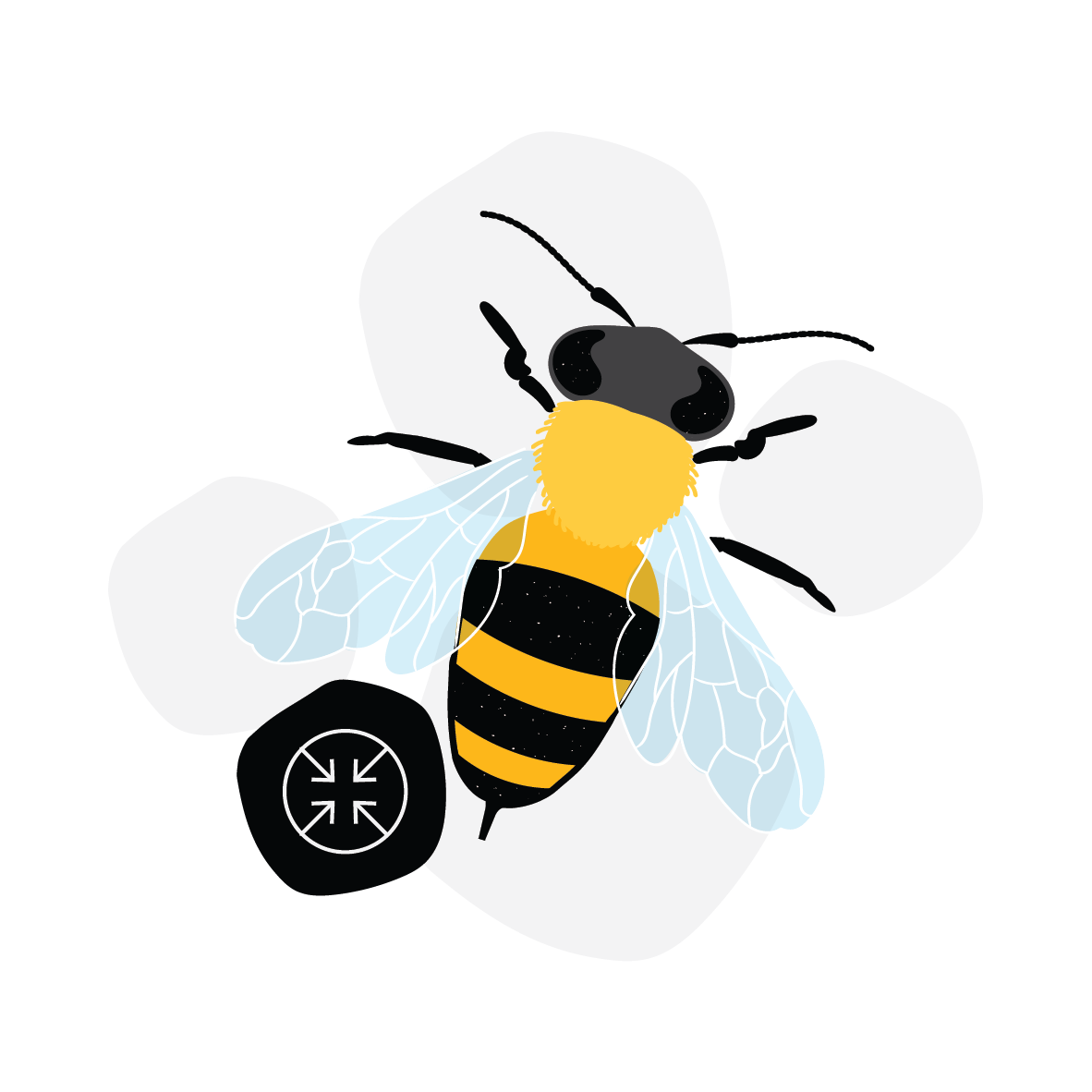 ECO Awareness topics / E.A2 Threats to biodiversity: Protect the bees! ECO Awareness topics / E.A2 Threats to biodiversity: Protect the bees! | ||||||||||||||||||||||||||||||||
Worksheet 1 | What do you know about bees? 1. Write everything you know about bees on the balloons surrounding the bee.
Worksheet 2 | Bees’ facts
Classify each sentence as true (T) or false(F).
Worksheet 3 | Waggle dance
| |||||||||||||||||||||||||||||||||
| 27 | ||||||||||||||||||||||||||||||||||||||||||||||
| | ||||||||||||||||||||||||||||||||||||||||||||||
| 3 |  ECO Awareness topics / E.A3 Snails and human impact ECO Awareness topics / E.A3 Snails and human impact | |||||||||||||||||||||||||||||||||||||||||||||
Worksheet 1 | All about snails!
Worksheet 2 | Investigate snails!
| ||||||||||||||||||||||||||||||||||||||||||||||
| 28 | ||||||||||||||||||||||||||||||||||||||||||||||||||||||||||||||||||||||||||||||||||||||||||||||||||||||||||||||||||||||||||||||||||||||||||||||||
| | ||||||||||||||||||||||||||||||||||||||||||||||||||||||||||||||||||||||||||||||||||||||||||||||||||||||||||||||||||||||||||||||||||||||||||||||||
| 4 |  ECO Awareness topics / E.A4 My first evolution concepts ECO Awareness topics / E.A4 My first evolution concepts | |||||||||||||||||||||||||||||||||||||||||||||||||||||||||||||||||||||||||||||||||||||||||||||||||||||||||||||||||||||||||||||||||||||||||||||||
Worksheet 1 | The shells of the snails Cepaea
Worksheet 2 | Natural selection acting on the snails Cepaea nemoralis.
| ||||||||||||||||||||||||||||||||||||||||||||||||||||||||||||||||||||||||||||||||||||||||||||||||||||||||||||||||||||||||||||||||||||||||||||||||
| 29 | ||||||||||||||||||||||||||||||||||||||||||
| | ||||||||||||||||||||||||||||||||||||||||||
| 5 |  ECO Awareness topics / E.A5 Wildlife Protection (outside) ECO Awareness topics / E.A5 Wildlife Protection (outside) | |||||||||||||||||||||||||||||||||||||||||
A5 Wildlife Protection
I Can Help Wildlife -Think of 2 ways that you can help protect wildlife and write or draw in the boxes below
Animals have structural adaptations to help them survive by defending themselves, getting food, and controlling their body temperature. Examples:
Make check marks (✓) in the chart to Show how body parts might be used by an animal.
| ||||||||||||||||||||||||||||||||||||||||||
| 30 | |||||||||
| | |||||||||
| 6 |  ECO Awareness topics / E.A6 Natural habitats and ecosystems ECO Awareness topics / E.A6 Natural habitats and ecosystems | ||||||||
|
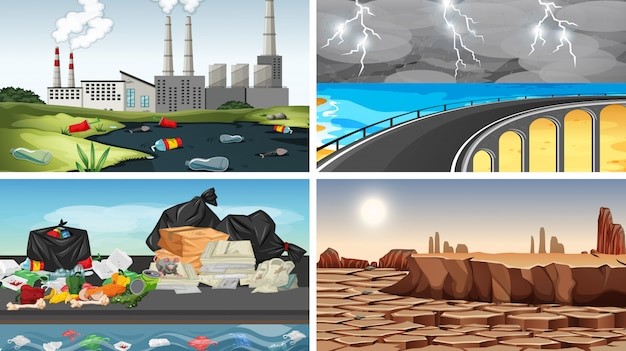
Task 1 Look at all of the 4 pictures! Do you know whats common to all of them? Write down your ideas in few sentences!
_______________________________________________________________________________________________________________________________________________________________________________________________________________________________________________________________ Task 2 Watch the video about pollinators! Think of what you saw and fill in the mind maps!
Task 3 Describe the process of how bees help flowers to pollinate! Do you know all of the steps? If you need any help, use the information given by teacher! Task 4 At the end of this lesson you will create an insect hotel! Can you imagine how would it look? See the example given by teacher and think of your own design. Create a sketch!
| |||||||||
| 31 | ||||||||
| | ||||||||
| 7 |  ECO Awareness topics / E.A7 What is biodiversity and how it affects our life? ECO Awareness topics / E.A7 What is biodiversity and how it affects our life? | |||||||
Try out the board game about bird life with your classmates! During the game think of the things you can learn while having fun! Task 1 Now it is time to create your own board game! Collect the materials and mark them. Think of any extra you need and add to the list! A playing field with 36 numbered and stacked squares 10 blank, white pages Image of the protected animal Information sheet about a protected animal Scissors Color pencils Black text marker Glue Do you need anything else? ………………………………………………………………………………………………............................. Task 2: Look at the infographics about animals. Make a mind map of ideas. Write 5 good things and 5 bad things that happen to animals because of where they live. Task 3 Use the step by step guide and mark activities that you have finished! This will help you to guide you through the process of creating the game!
Task 4 Read the questions! Write short to be prepared for the discussion after the lesson!
………………………………………………………………………………………………..................................
………………………………………………………………………………………………..................................
……………………………………………………………………………………………………………………………………………………………………………………………………………………................................................... | ||||||||
| 32 | ||||||||
| | ||||||||
| 8 | .png) ECO Awareness topics / E.B1 Air and climate ECO Awareness topics / E.B1 Air and climate | |||||||
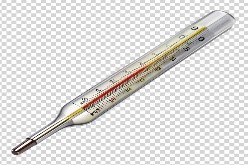
B1 Air and climate (global warming) Experiment "Comparing Temperature in Open Air and a Closed Space": follow the steps and answer the questions. Materials Needed:
Procedure: Step 1: Measuring the temperature in Open Air
Step 2: Measuring the tTemperature in a Closed Space
Step 3: Answer the Questions
| ||||||||
| 33 | ||||||||
| | ||||||||
| 9 | .png) ECO Awareness topics / E.B2 Renewable Energy Sources ECO Awareness topics / E.B2 Renewable Energy Sources | |||||||
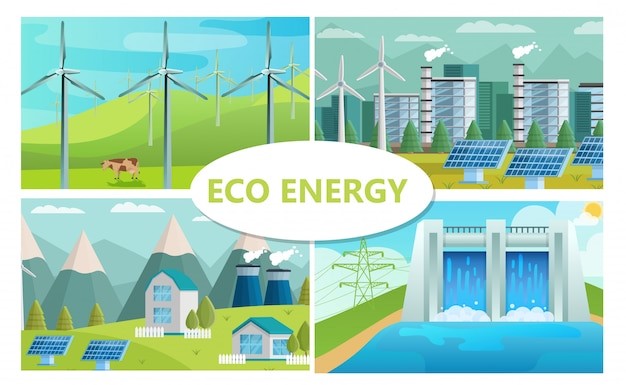
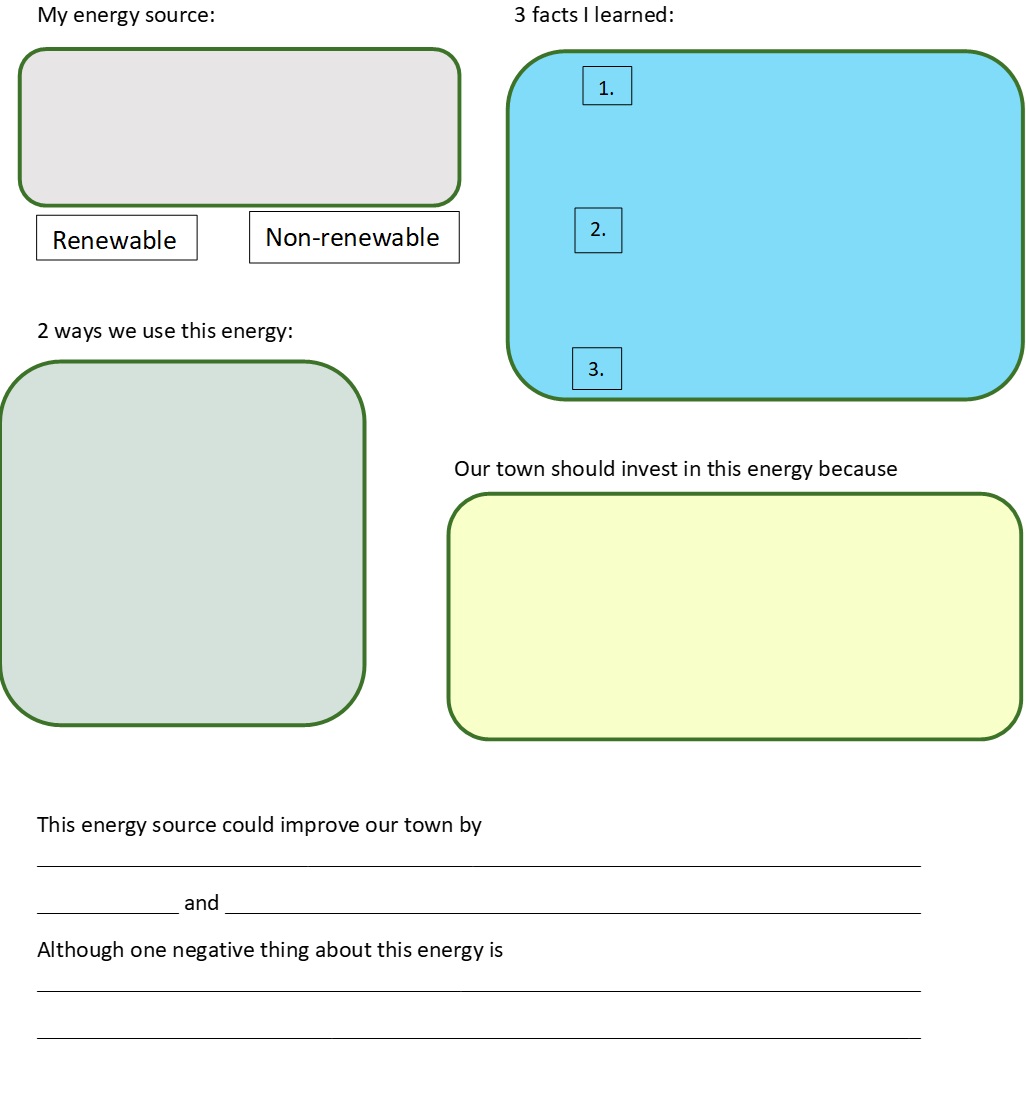
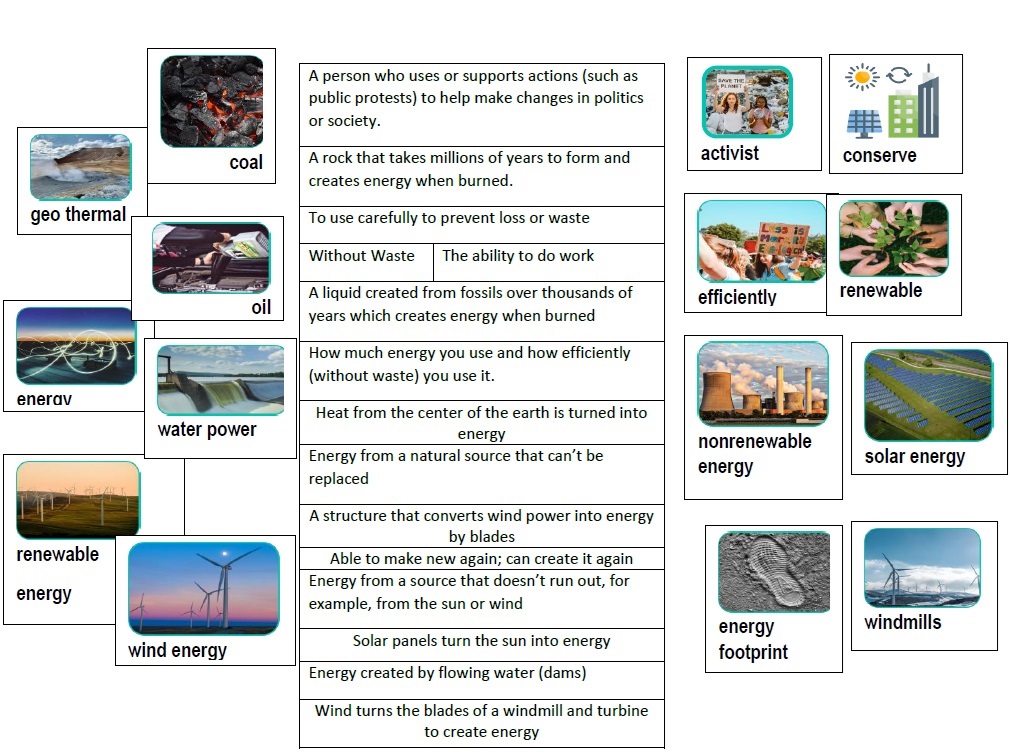
B2 Renewable or Non – renewable Energy? Exercise 1: Match each renewable energy source with the correct description.
Descriptions: A. Energy created by the movement of water, usually from rivers or dams. B. Energy that comes from the heat inside the Earth. Exercise 2: Use the words below to fill in the blanks. -renewable -sun -wind -water -earth
Exercise 3: Answer the following questions in one or two sentences.
| ||||||||
| 34 | ||||||||
| | ||||||||
| 10 | .png) ECO Awareness topics / E.B3 Energy efficiegncy and climate change ECO Awareness topics / E.B3 Energy efficiegncy and climate change | |||||||
Finally, fill in the information below!
2. Match the pictures with their explanation.
| ||||||||
| 35 | ||||||||
| | ||||||||
| 11 | .png) ECO Awareness topics / E.B4 Environmental footprint and environmental handprint ECO Awareness topics / E.B4 Environmental footprint and environmental handprint | |||||||
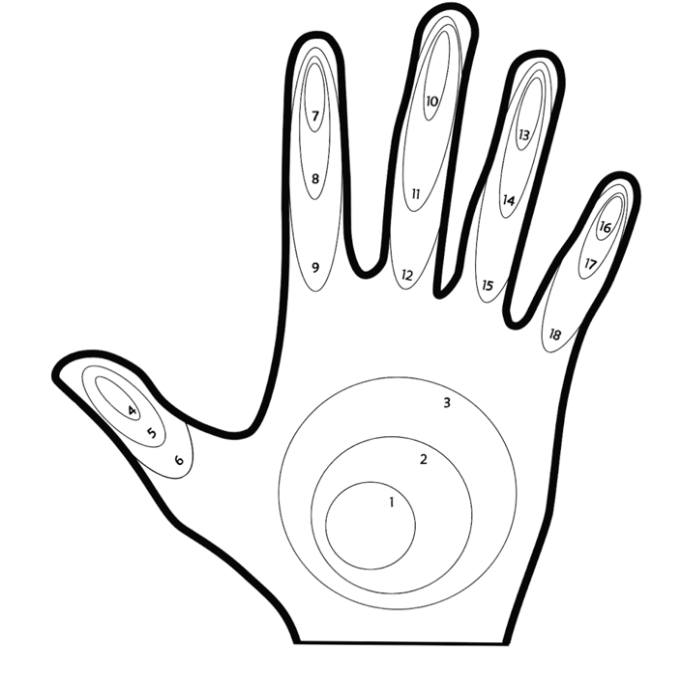
1. Write a definition of the term Environmental Footprint ____________________________________________________________ ____________________________________________________________ 2. Draw what things make up your footprint. You can also cut out pictures from magazines or newspapers.
3. Look at the outline of your hand. Design a graphic presentation of your ecological handprint. Choose a colour and use it to fill in the whole area of the numbered ovals for all actions you are already doing or have done so far. For the actions you would like to do, or plan to do in the future, shade the ovals with a different colour.
Waste 1. I collect waste separately. 2. I don't use plastic cups. 3. I compost.
4. I eat vegetarian meals. 5. I garden. 6. I eat mostly home cooked meals. Energy 7. I turn off the lights. 8. We use energy efficient bulbs at home. 9. I unplug my electronics when I'm not using them. Consumption 10. Before I buy something new, I consider - Do I need it? Can I borrow it? 11. We repair things rather than throw them out. 12. I bring my own bag when shopping. Water 13. I save water. 14. I drink tap water. 15. We collect rain water.
16. I walk. 17. I cycle. 18. I take a bus. 19. I like being outside and protecting nature. (Colour all white spaces between the circles) | ||||||||
| 36 | ||||||||
| | ||||||||
| 12 | .png) ECO Awareness topics / E.B5 Three areas of our life ECO Awareness topics / E.B5 Three areas of our life | |||||||
Task 1 After watching the video, write down the changes you saw on Earth!
I observed that .................................................................................................................................... I observed that .................................................................................................................................... I observed that .................................................................................................................................... Task 2 Carefully read the descriptions of nature processes. Color the ones that could cause changes you saw on the video! Task 3 Look around the classroom for cards with pictures of human activities. Analyze one of the cards:
Task 4 Draw a question sheet. Ask 5 classmates your questions and record their answers. After that find your group based on the question topic and group number on your sheet. (3 groups per topic) Discuss answers and color existing solutions (green) and ideas for improvement (red). Task 5 Based on your discussion, answer these questions on sticky notes:
Share your sticky notes with the class and stick them on the board/wall. Task 6 Go and look at all of the posters! In the table below, write down any actions from other groups you might want to implement in your own life. | ||||||||
| 37 | ||||||||
| | ||||||||
| 13 | .png) ECO Awareness topics / E.B6 A research of electricity usage habits and gathering of results ECO Awareness topics / E.B6 A research of electricity usage habits and gathering of results | |||||||
Task 1 To understand how the electricity works you need to sort out examples of activities which generate and uses electricity! Use arrows to match picture with description!
Task 2 Create a description of your daily activities! Make a list of the things you do!
Highlight the activities where you use electricity! Think how many times do you use electricity during the day! Task 3 To find out how much electricity do we use and how much does it cost, we need to know the power of the device, the time how long we turn the device on and the price of electricity at the moment. Use collected numbers at home and do the calculations! Task 4 Brainstorm the ideas of how to reduce the consumption of electricity!
I can reduce the use of electricity(My actions) | ||||||||
| 38 | ||||||||
| | ||||||||
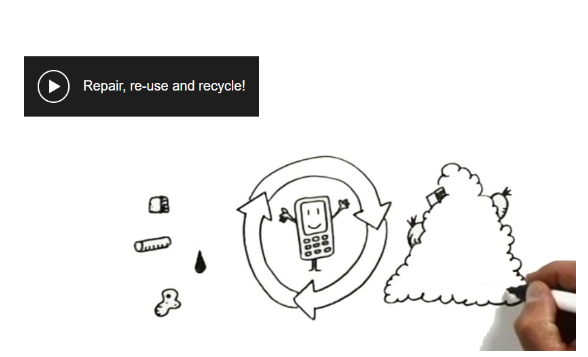
| 14 |  ECO Awareness topics / E.C1 The Three Rs: Reduce, Reuse, Recycle ECO Awareness topics / E.C1 The Three Rs: Reduce, Reuse, Recycle | |||||||
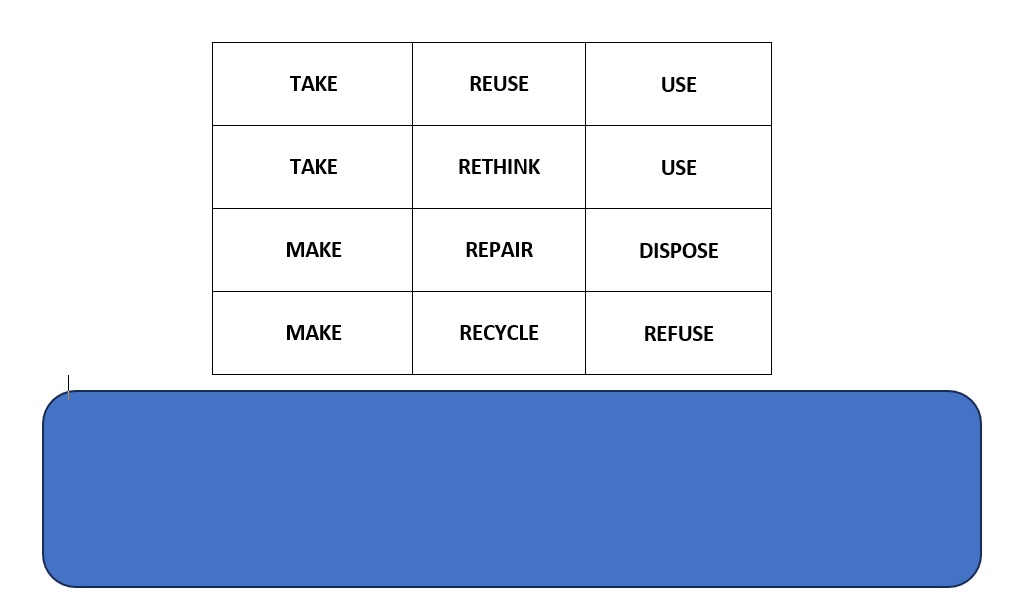
C1 Environmental Stewardship The Three Rs 1. Draw a line connecting the 3RS to their correct definitions.
REUSE: To change an object into a completely new item at a factory REDUCE: To make use of the same object over and over RECYCLE: To use less of an item so not to waste it 2. After each scenario, write REDUCE, REUSE or RECYCLE where they apply. a. After reading the newspaper, Pablo uses it in his dog house for his dog to sleep on. …………………………. b. Vivica's watch is broken, but instead of buying a new one, she got it fixed. …………………………… c. Jenny takes her own cloth bag to the store and does not use plastic. ………………………….. d. Dan turns in tin cans back to the factory to get 5 cents for each one. …………………………… e. At the fair, the clown told Martha she could take 5 toys, but Martha only took one. …………………………… f. Tess saves the paper that has bad printing on it for her baby sister to draw on the back. ……………………… g. Everyone in Flyn's family wants a TV In their room, but Dad said only one in the living room. …………………… h. Tyler always sorts the paper, glass and plastic into different containers on trash day. ……………………… i. Biscuit likes his cat house made from old tires and old shirts. …………………………… j. It was exciting for Gerry to see them crush the old glass then make new glass bottles from it. ………………………. | ||||||||
| 39 | ||||||||
| | ||||||||
| 15 |  ECO Awareness topics / E.C2 Pollution Awareness ECO Awareness topics / E.C2 Pollution Awareness | |||||||
C2 Pollution awareness
POLLUTION There are lots of environmental problems nowadays, mainly because of pollution. It is the contamination of air, water and soil by different materials that interfere with human health and quality of life. The emissions from industries and engines, including cars, are big causes of air pollution and simple things that we do at home, like using aerosols, have bad effects on the ozone layer, which protects life on Earth from ultraviolet radiation. Water is also suffering from pollution by domestic, municipal and also industrial waste. It is up to us to stop damaging the environment. We all should be environment friendly! Answer the questions. 1. What is the biggest enemy of the environment? 2 What are the causes of air pollution? 3. What's wrong with aerosois? 4. What is the function of the Ozone Layer? 5. Why is water suffering from pollution? 6 Why do you think we should all be environmentally friendly?
1. We ----------------------- burn trees. 2. We ----------------------- walk or ride a bike to school. 3. We ----------------------- leave the tap running when we’re brushing the teeth. 4. We ----------------------- turn off the lights and the computer when we leave the room. 5. We ----------------------- recycle waste paper, bottles and cans. | ||||||||
| 40 | ||||||||
| | ||||||||
| 16 |  ECO Awareness topics / E.C3 Circular Economy ECO Awareness topics / E.C3 Circular Economy | |||||||
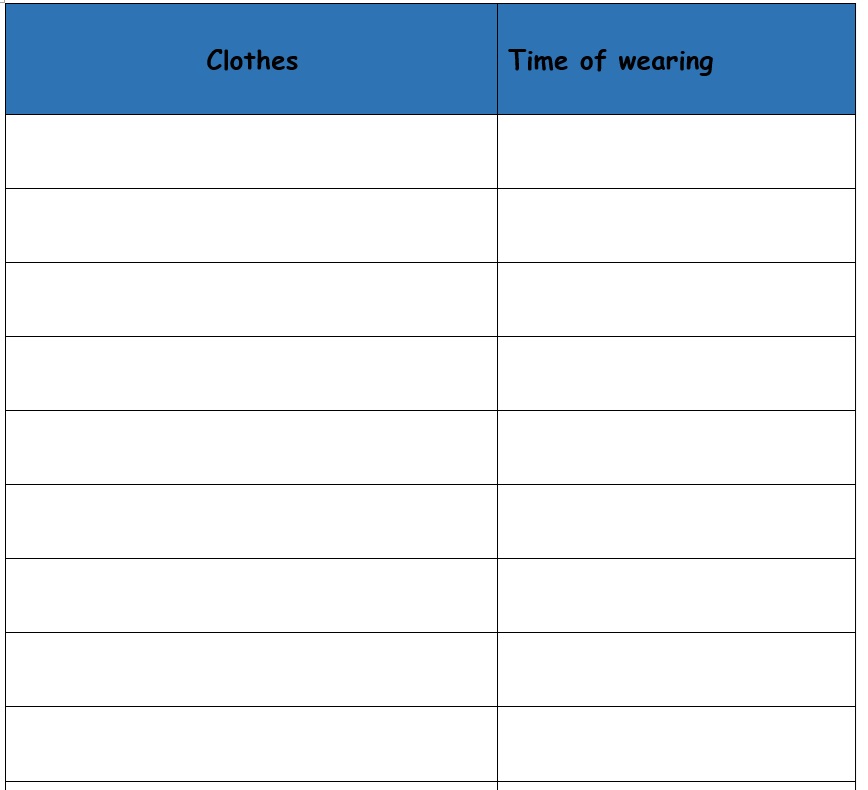
1. Work in your group. Make a list of the clothes you are wearing and write how long (the time) you have been wearing them.
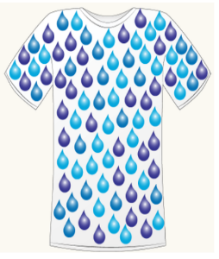
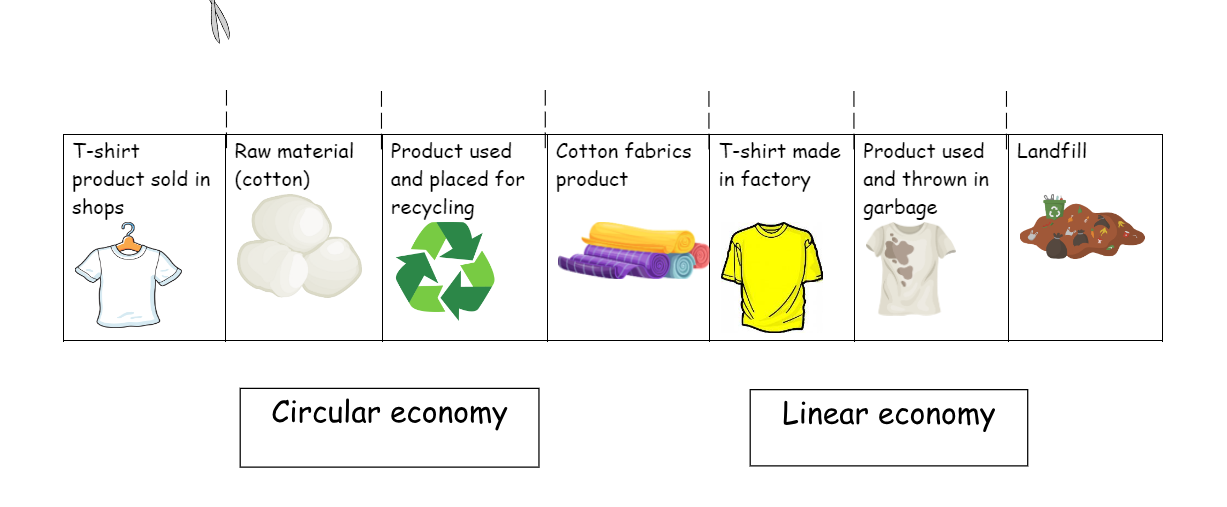
2. Find out on the internet how many liters of water are needed to produce one T-shirt. Answer: …………………………………………………… 3. Watch the video and try to formulate definitions of linear and circular economy:
……………………………………………………………………………………………………………………… ……………………………………………………………………………………………………………………… ……………………………………………………………………………………………………………………… ……………………………………………………………………………………………………………………… ……………………………………………………………………………………………………………………… ……………………………………………………………………………………………………………………… 4. In your group, cut out and use the words to form 2 diagrams explaining (1) the linear and (2) the circular economy.
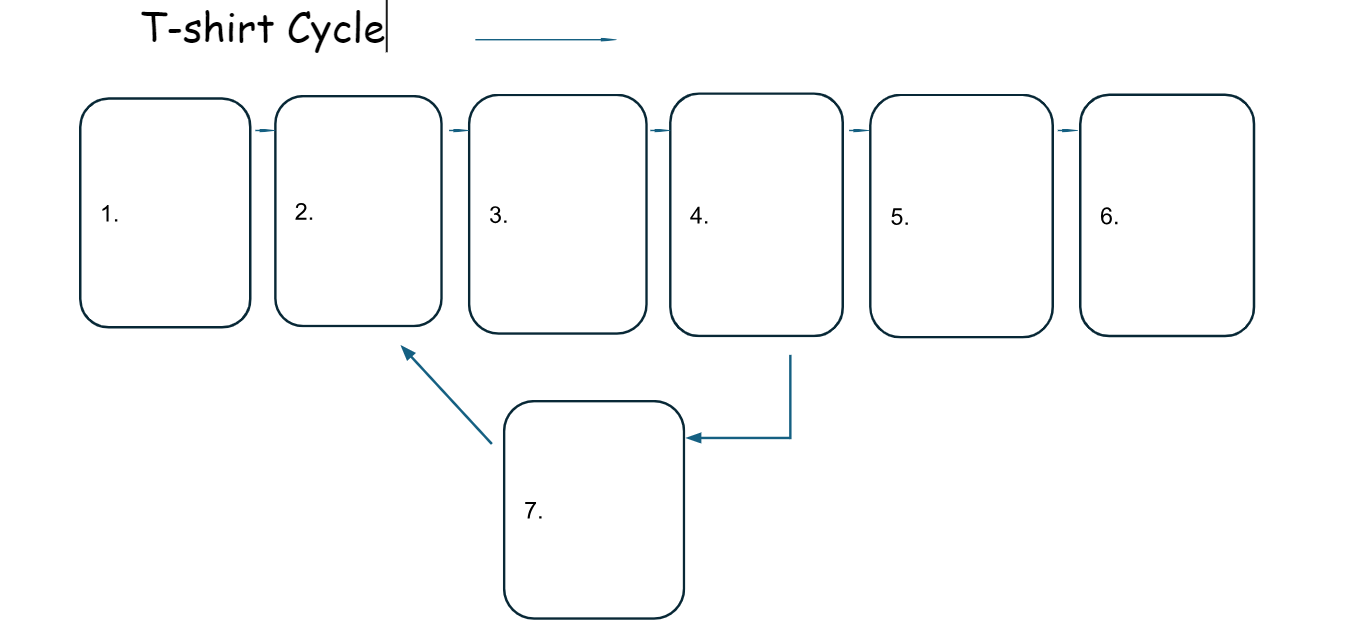
5. Fill in the Blanks Game: Guess the correct order of steps to show the difference between the linear economy and the circular economy. Cut out the game pieces with the pictures and place in the scheme them where you think they fit best.
6. Log in using the QR code. Read the text and fill in the blanks with the provided words.
| ||||||||
| 41 | ||||||||
| | ||||||||
| 17 |  ECO Awareness topics / E.C4 Purification of water (experimental approach) ECO Awareness topics / E.C4 Purification of water (experimental approach) | |||||||
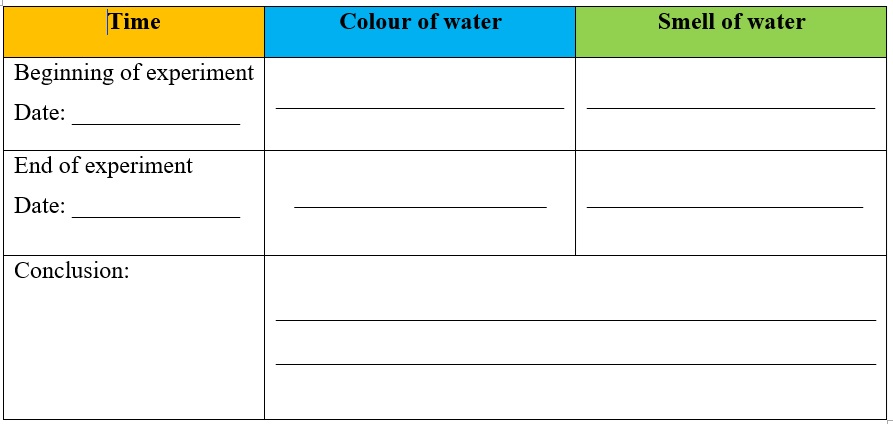
1. Water pollutants (Experiment 1)
2. Water pollution and purification (Experiment 2) Step 1: Pour some water in a tray. Add 1 tea spoon of black pepper. (In this way, the pollution of the water is visualized.) What can you observe? ___________________________________________________________________________
___________________________________________________________________________
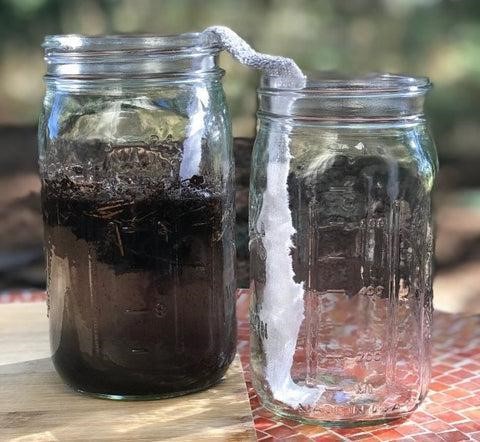
Materials needed: two glasses (glass A and glass B), paper towel (or napkins) and soil (to prepare the muddy water). Pour some muddy water in one of the glasses (glass A). Glass B is empty. Place glass A in a higher position than glass B (see picture). Observation 1: ………………………………………………………………………………………………………………… Observation 2: ………………………………………………………………………………………………………………… ………………………………………………………………………………………………………………… …………………………………………………………………………………………………………………
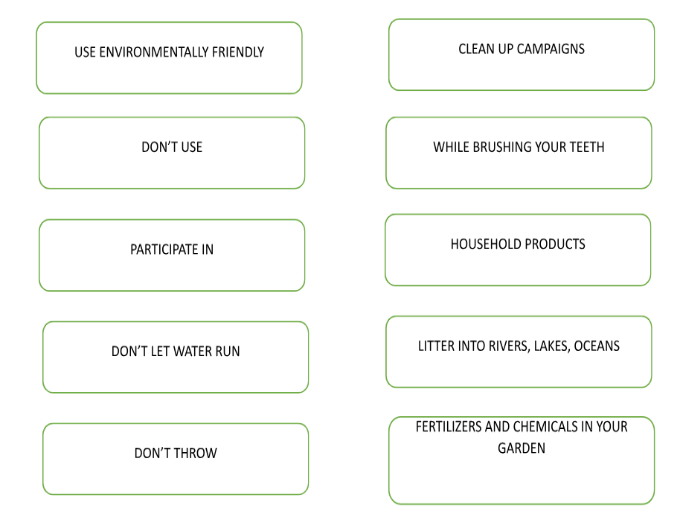
4. How can we contribute to reducing water pollution?
| ||||||||
| 42 | ||||||||
| | ||||||||
| 18 |  ECO Awareness topics / E.C5 Responsible consumption ECO Awareness topics / E.C5 Responsible consumption | |||||||
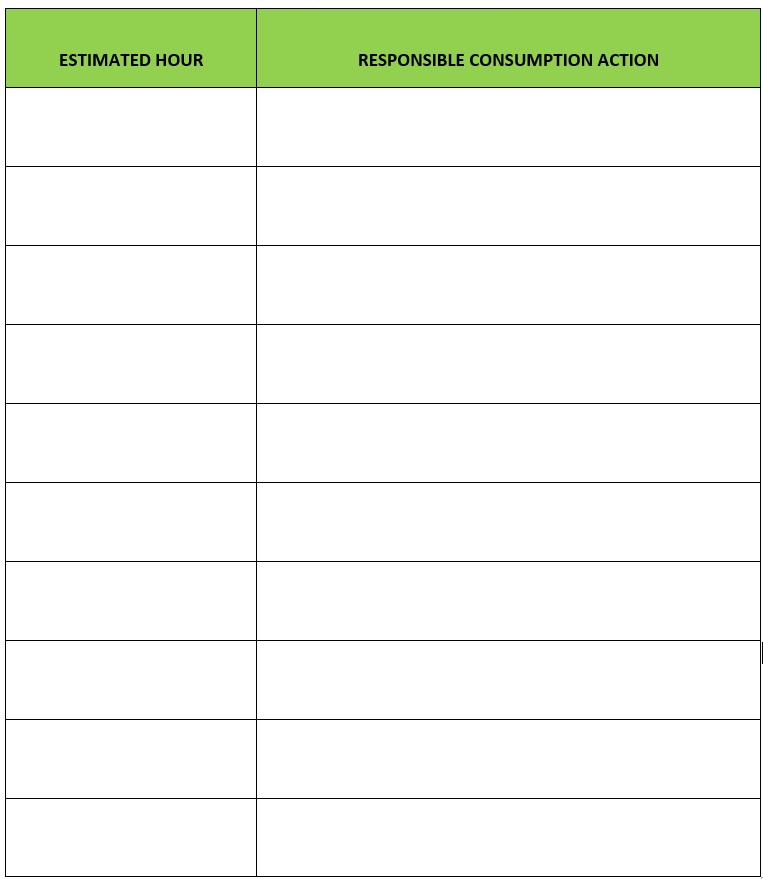
2. It is early morning. You are still in bed. It is a week day, so you will go to school, and, in the afternoon, you will join your parents to shop some groceries. Which of the responsible consumption actions listed above can you follow today?
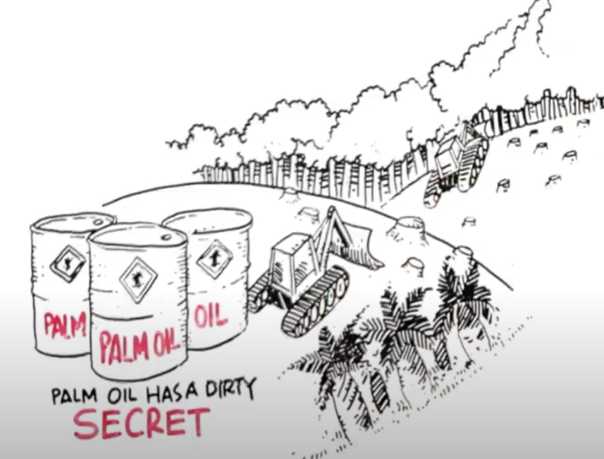
3. Watch the video about the secrets of the palm oil: https://www.youtube.com/watch?v=0o6WHN4NDTk&t=60s
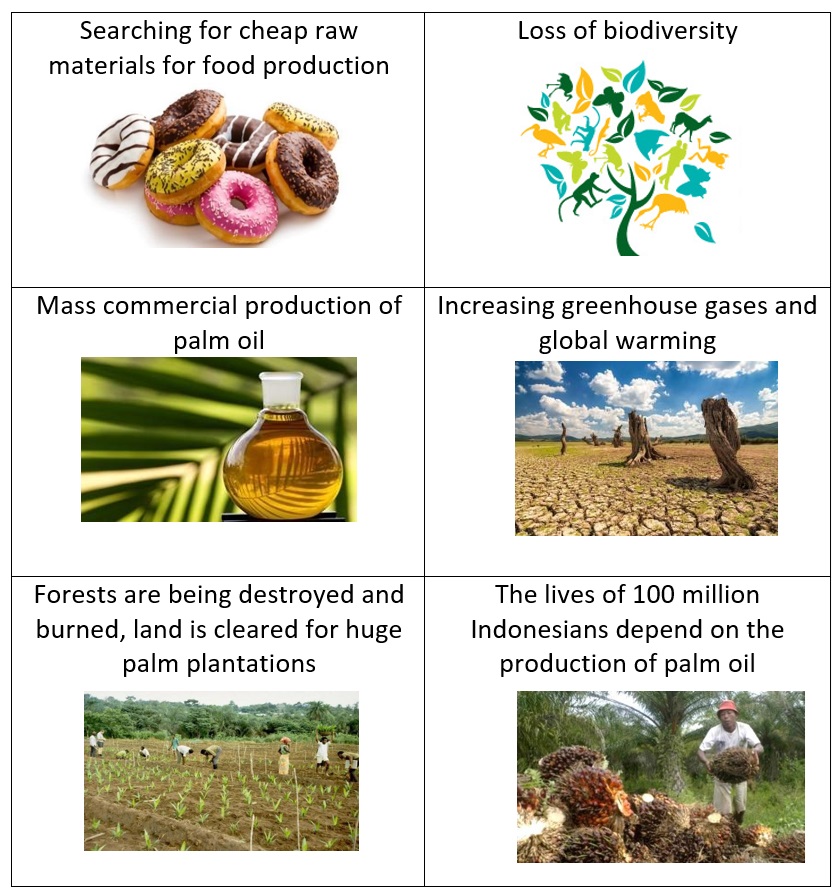
4. Cause-consequence game
| ||||||||
| 43 | ||||||||
| | ||||||||
| 19 |  ECO Awareness topics / E.C6 Invisible and unfriendly ECO Awareness topics / E.C6 Invisible and unfriendly | |||||||
What causes a mess in your classroom/school? Write them down or tell to your classmates! Is that pollution? After class discussion you will be divides into groups! Task 1 Description of group work: There are 3 stations in classroom - each one is dedicated to some of "invisible" pollutors - noise, light or heat and energy. Use the given information and research the questions in worksheet. Collect all 3 worksheets and finnish all of the tasks! Task 2 After completing all stations, gather with the classmates for a discussion. Briefly review most important from each video and share findings from the worksheets. Task 3 It is time to get creative! Use the template to create a personal "Peace and quiet mini Book" with 7 recommendations on how to promote a peaceful, quiet and healthy learning environment at school. Create the minibook to describe things that help you enjoy school day more. Create a designated space in the corner of each page (e.g., a square, star, smiley face) where you can mark your progress! | ||||||||
| 44 | |||||||||||||||||||||||||
| | |||||||||||||||||||||||||
| 20 |  ECO Awareness topics / E.C7 Air alert: pollution and air quality ECO Awareness topics / E.C7 Air alert: pollution and air quality | ||||||||||||||||||||||||
Worksheet 1 | Simulator - What causes an area to have poor air quality?
| |||||||||||||||||||||||||
| 45 | ||
| | ||
| | ||
| Indice | Page | |
| 1 - CIVIC Awareness topics / C.A1 Right to learn | 4 | |
| 2 - CIVIC Awareness topics / C.A2 My Right to play | 5 | |
| 3 - CIVIC Awareness topics / C.A3: The right to freedom of expression | 6 | |
| 4 - CIVIC Awareness topics / C.A4: The right to privacy and protection from unlawful attacks on your honour and reputation | 7 | |
| 5 - CIVIC Awareness topics / C.A5 My right to education | 8 | |
| 6 - CIVIC Awareness topics / C.A6 The Right to privacy | 9 | |
| 7 - CIVIC Awareness topics / C.B1 Rights and obligations. Limitations to our rights. | 10 | |
| 8 - CIVIC Awareness topics / C.B2 The Rights of disabled children | 11 | |
| 9 - CIVIC Awareness topics / C.C1 Kindness Rocks | 12 | |
| 10 - CIVIC Awareness topics / C.C2 Projects implemented by students | 13 | |
| 11 - CIVIC Awareness topics / C.C3 Family/school/environment as a whole | 14 | |
| 12 - CIVIC Awareness topics / C.C4 I can be a part of change for the better. | 15 | |
| 13 - CIVIC Awareness topics / C.C5 How to build cooperation outside of school. | 16 | |
| 14 - CIVIC Awareness topics / C.C6 Why change is important for me? | 17 | |
| 15 - CIVIC Awareness topics / C.D1 My unique me: Celebrating what makes me special | 18 | |
| 16 - CIVIC Awareness topics / C.D2 My Identity | 19 | |
| 17 - CIVIC Awareness topics / C.E1 Our colorful classroom: Embracing diversity in friendship | 20 | |
| 18 - CIVIC Awareness topics / C.E2 My dream class | 21 | |
| 19 - CIVIC Awareness topics / C.E3 Body diversity | 22 | |
| 20 - CIVIC Awareness topics / C.E4 Religious diversity | 23 | |
| 1 - ECO Awareness topics / E.A1 Exploring biodiversity in nature: biocube | 25 | |
| 2 - ECO Awareness topics / E.A2 Threats to biodiversity: Protect the bees! | 26 | |
| 3 - ECO Awareness topics / E.A3 Snails and human impact | 27 | |
| 4 - ECO Awareness topics / E.A4 My first evolution concepts | 28 | |
| 5 - ECO Awareness topics / E.A5 Wildlife Protection (outside) | 29 | |
| 6 - ECO Awareness topics / E.A6 Natural habitats and ecosystems | 30 | |
| 7 - ECO Awareness topics / E.A7 What is biodiversity and how it affects our life? | 31 | |
| 8 - ECO Awareness topics / E.B1 Air and climate | 32 | |
| 9 - ECO Awareness topics / E.B2 Renewable Energy Sources | 33 | |
| 10 - ECO Awareness topics / E.B3 Energy efficiegncy and climate change | 34 | |
| 11 - ECO Awareness topics / E.B4 Environmental footprint and environmental handprint | 35 | |
| 12 - ECO Awareness topics / E.B5 Three areas of our life | 36 | |
| 13 - ECO Awareness topics / E.B6 A research of electricity usage habits and gathering of results | 37 | |
| 14 - ECO Awareness topics / E.C1 The Three Rs: Reduce, Reuse, Recycle | 38 | |
| 15 - ECO Awareness topics / E.C2 Pollution Awareness | 39 | |
| 16 - ECO Awareness topics / E.C3 Circular Economy | 40 | |
| 17 - ECO Awareness topics / E.C4 Purification of water (experimental approach) | 41 | |
| | ||
| 18 - ECO Awareness topics / E.C5 Responsible consumption | 42 | |
| 19 - ECO Awareness topics / E.C6 Invisible and unfriendly | 43 | |
| 20 - ECO Awareness topics / E.C7 Air alert: pollution and air quality | 44 | |
| Bibliography | 45 | |








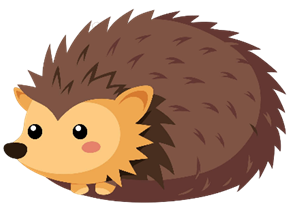
 An owl's talons help it catch prey to eat and also help it defend itself against predators.
 A beaver’s fur keeps it warm and dry when it swims.
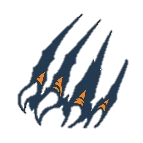
 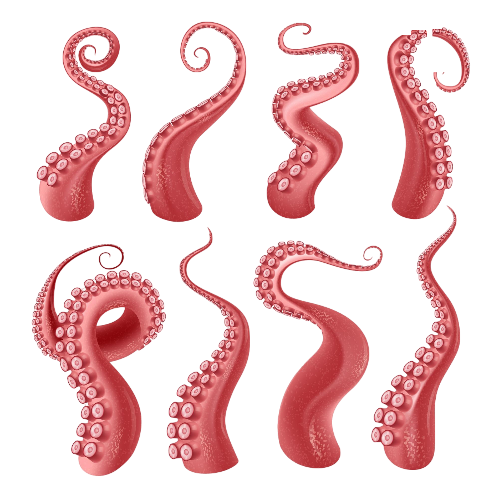 An octopus’ skin can change colors to camouflage it so it can surprise prey and to keep it safe from predators.



 Food
Food Transportation